Dissecting the Influence of Social Media Integration Features on Community Building Within Digital Poker Rooms
Written by David Vogel · Sep 27, 2026
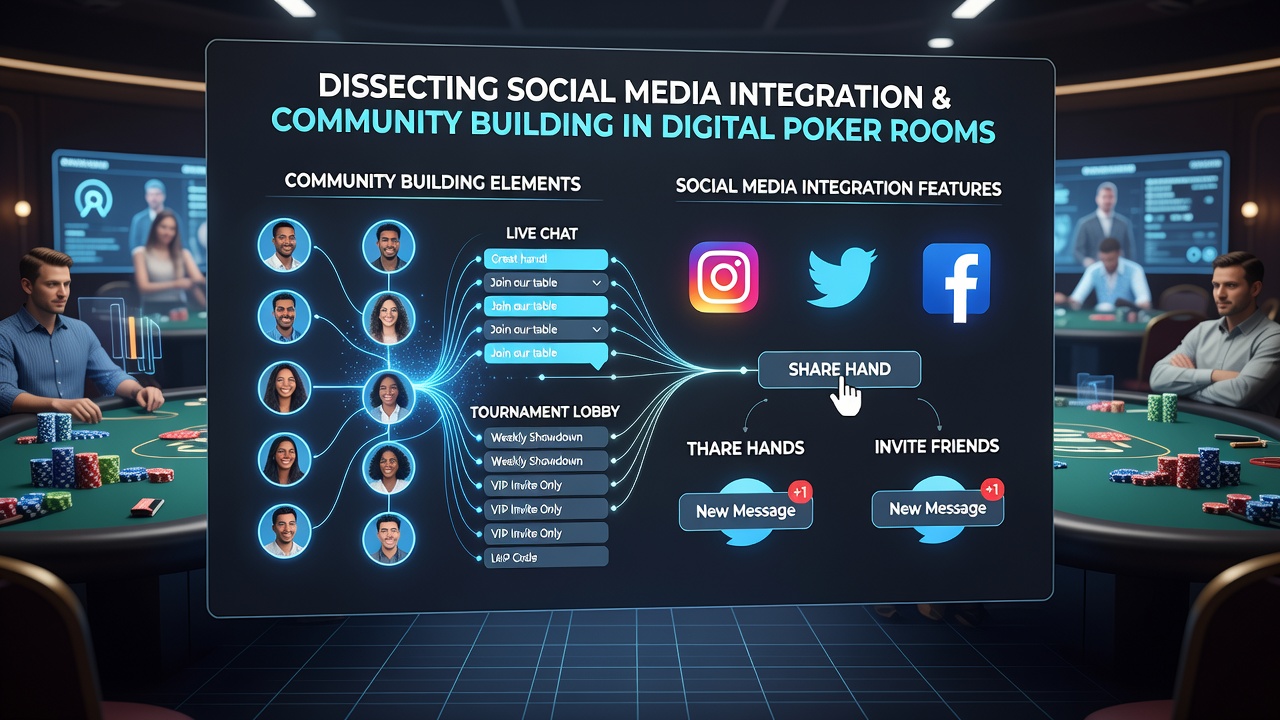
Dissecting the Influence of Social Media Integration Features on Community Building Within Digital Poker Rooms
Digital poker platforms have incorporated social media tools such as friend lists, hand-sharing functions, and cross-platform posting since the mid-2010s, yet the measurable effects on community formation continue to attract attention from operators and researchers alike. Data collected through platform analytics in 2025 showed that rooms offering direct social logins recorded higher rates of repeat logins compared with those relying solely on traditional registration methods.
Integration typically occurs through APIs that connect poker accounts to external networks, allowing users to broadcast tournament results or invite contacts without leaving the application. Observers note that these connections create persistent player networks that extend beyond individual sessions, because shared achievements remain visible on external profiles for extended periods.
Core Features Driving Interaction
Chat modules linked to social identities enable real-time conversation that carries over from one session to the next, while achievement badges automatically populate personal feeds when players reach milestones such as completing a certain number of hands or finishing in the top ranks. Leaderboard visibility tied to social accounts further encourages users to compare progress with peers they already know from outside the platform.
Live streaming options, introduced on several major sites during 2024, permit players to broadcast their tables directly to followers on video platforms, which in turn drives external traffic back into the poker rooms. Figures released by the Nevada Gaming Control Board in early 2026 indicated that rooms with embedded streaming tools experienced a 17 percent increase in concurrent users during evening peak hours.
Engagement Patterns Observed Through 2026
Studies conducted by the University of Nevada, Las Vegas Center for Gaming Research tracked user cohorts across multiple jurisdictions and found that players who activated social connections within the first week maintained active accounts 28 percent longer than those who did not. The same research noted elevated rates of table invitations sent between connected accounts, suggesting that existing social graphs accelerate the formation of recurring player groups.
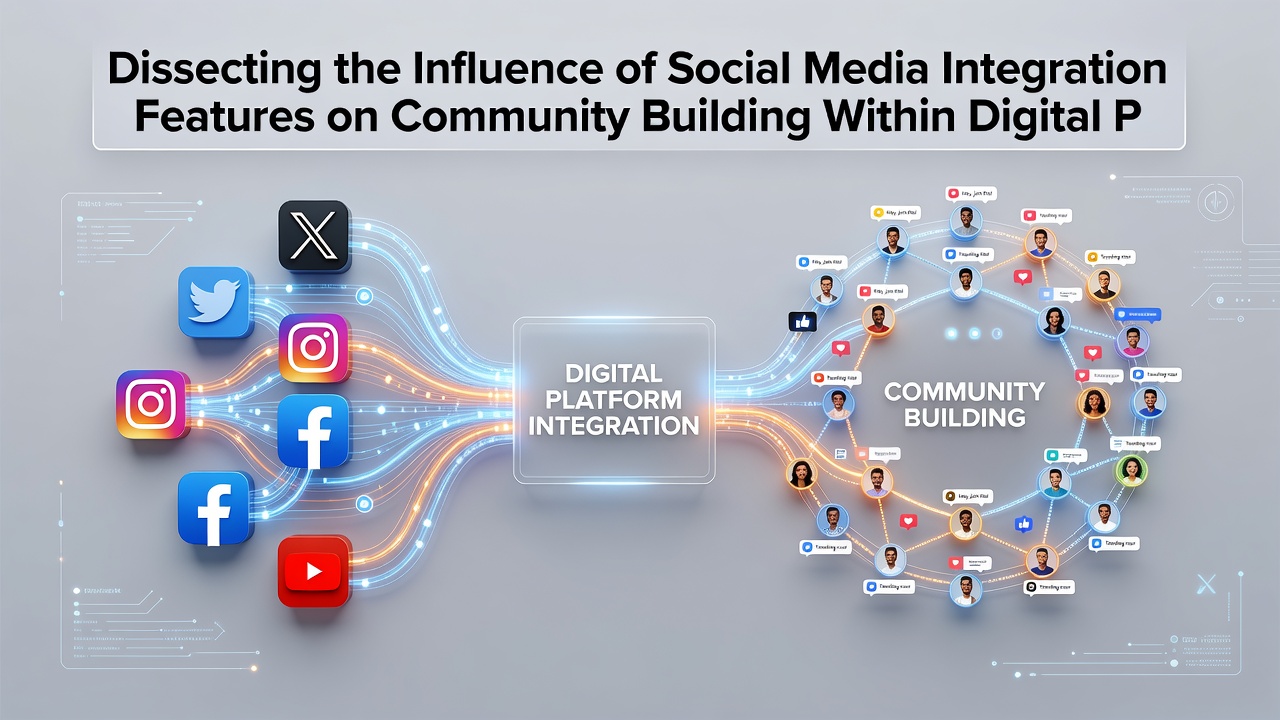
Referral mechanics that reward users for bringing in contacts from social networks have produced measurable network effects, particularly in regions where mobile usage dominates. In September 2026 several platforms updated their referral systems to include tiered rewards that scale wth the number of active sessions completed by referred players, resulting in documented spikes in new account creation that month.
Regional Regulatory Context and Data Reporting
Operators in multiple markets must comply with data protection rules when social features transmit personal information across borders. The Australian Communications and Media Authority published updated guidelines in mid-2025 requiring clear disclosure of how shared poker activity appears on external profiles, which prompted several platforms to add granular privacy controls.
Canadian provincial regulators similarly require periodic reporting on user interaction metrics when social tools are present, because these features can influence responsible gambling messaging delivery. Compliance records show that rooms incorporating opt-in social modules have adjusted notification frequency to align with provincial advertising standards without reducing overall engagement levels.
Community Dynamics and Retention Metrics
Longitudinal data from platform operators reveal that social integration correlates with increased participation in scheduled tournaments, because connected users receive direct notifications when friends register for the same events. This pattern appears consistently across both desktop and mobile environments, although mobile users demonstrate higher click-through rates on shared invitations.
Researchers examining chat logs from integrated rooms have documented the emergence of recurring discussion threads around strategy and hand reviews that persist across multiple days, creating a form of asynchronous community that traditional anonymous chat rooms rarely sustain. These threads often reference specific hands shared through social functions, reinforcing group identity among participants.
Conclusion
Platform records through September 2026 demonstrate that social media integration features contribute measurable structure to player networks within digital poker environments, primarily through persistent connections, shared achievements, and streamlined referral pathways. Continued monitoring by regulatory bodies and academic researchers will determine whether these patterns remain stable as privacy frameworks evolve and new interaction tools emerge.