How Virtual Reality Table Designs Influence Betting Pace and Session Duration in European-Regulated Apps
Written by Paul Flores · Oct 25, 2026
How Virtual Reality Table Designs Influence Betting Pace and Session Duration in European-Regulated Apps
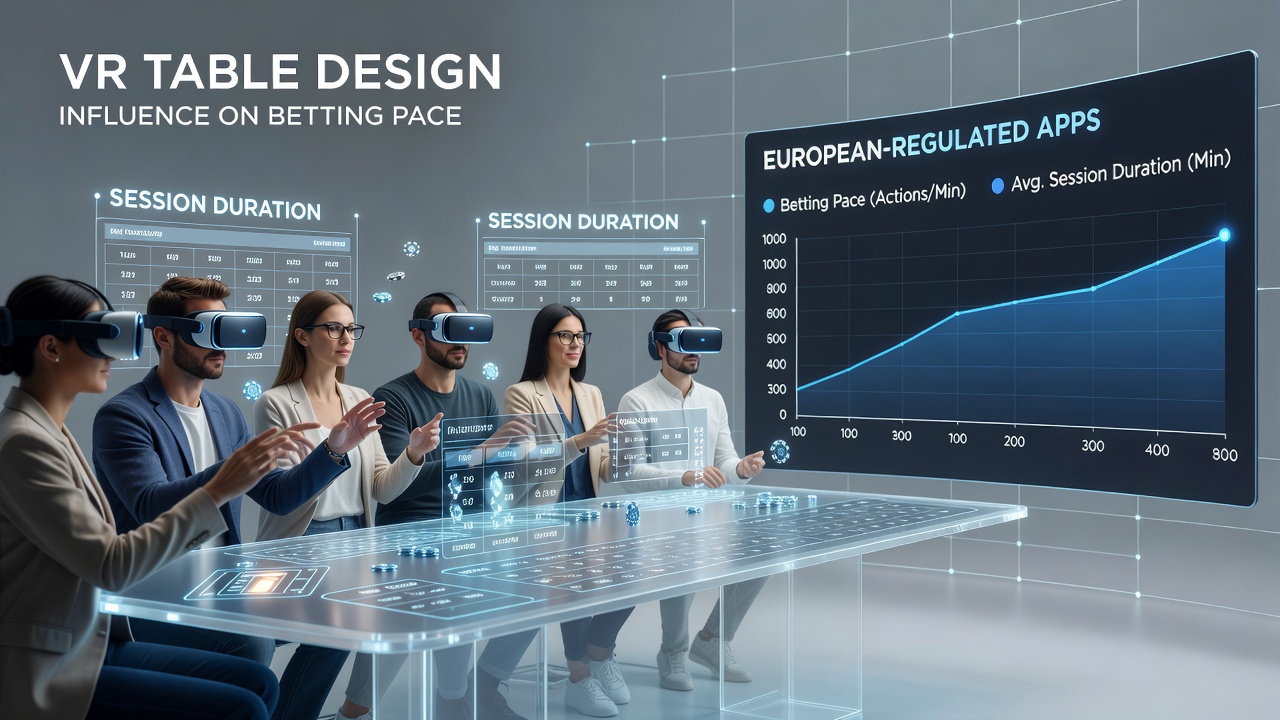
Virtual reality table designs in European-regulated apps incorporate spatial layouts, interactive elements, and visual cues that shape how players place wagers and extend their time at virtual tables, and data from multiple studies tracks these patterns across platforms operating under frameworks like those overseen by the Malta Gaming Authority and similar bodies. Researchers have examined how three-dimensional table renderings, adjustable camera angles, and proximity-based betting prompts alter decision intervals compared to traditional two-dimensional interfaces, with findings indicating measurable shifts in both pace and overall engagement length.
Core Design Features Affecting User Interaction
European apps deploy VR tables with modular seating arrangements, holographic chip stacks, and gesture-recognition zones that allow players to drag virtual bets into position, and these elements reduce the physical steps required for each wager while maintaining compliance with regional rules on fair play and transparency. Observers note that tables featuring dynamic lighting around betting circles draw attention to active rounds, which can compress the time between decisions, whereas designs with static backgrounds and minimal animations tend to space out actions more evenly. In one analysis of app usage patterns, platforms using layered depth cues for card placements recorded average bet submission times dropping by several seconds per round during peak hours.
Designers integrate haptic feedback loops tied to table surfaces, and this creates tactile confirmation for each stake, which in turn influences repeat actions without requiring menu navigation. Studies tracking user logs from 2025 onward show that apps incorporating such feedback maintain consistent betting rhythms even as session lengths increase, particularly when players switch between multiple virtual tables within the same environment.
Measured Effects on Betting Pace
Data collected across regulated VR environments reveals that streamlined table geometries correlate with faster bet cycles, and analysts attribute this to reduced visual clutter that lets players scan odds and place chips in fewer steps. Platforms that position dealer avatars closer to the action zone, for instance, see quicker responses to prompts, while those with wider virtual distances between elements introduce brief pauses as users orient themselves. European operators have reported through aggregated telemetry that pace variations remain within acceptable regulatory bounds, yet the differences appear consistently across user cohorts tracked in 2026 updates.
Turnaround metrics from industry reports highlight how VR tables with customizable zoom levels accelerate or slow sequences depending on the selected view, and researchers at institutions examining digital gaming interfaces found that players opting for close-up perspectives submit bets at higher frequencies during short bursts. These patterns hold steady even when external factors such as network latency are controlled, suggesting the design itself drives the tempo.
Influence on Session Duration Patterns
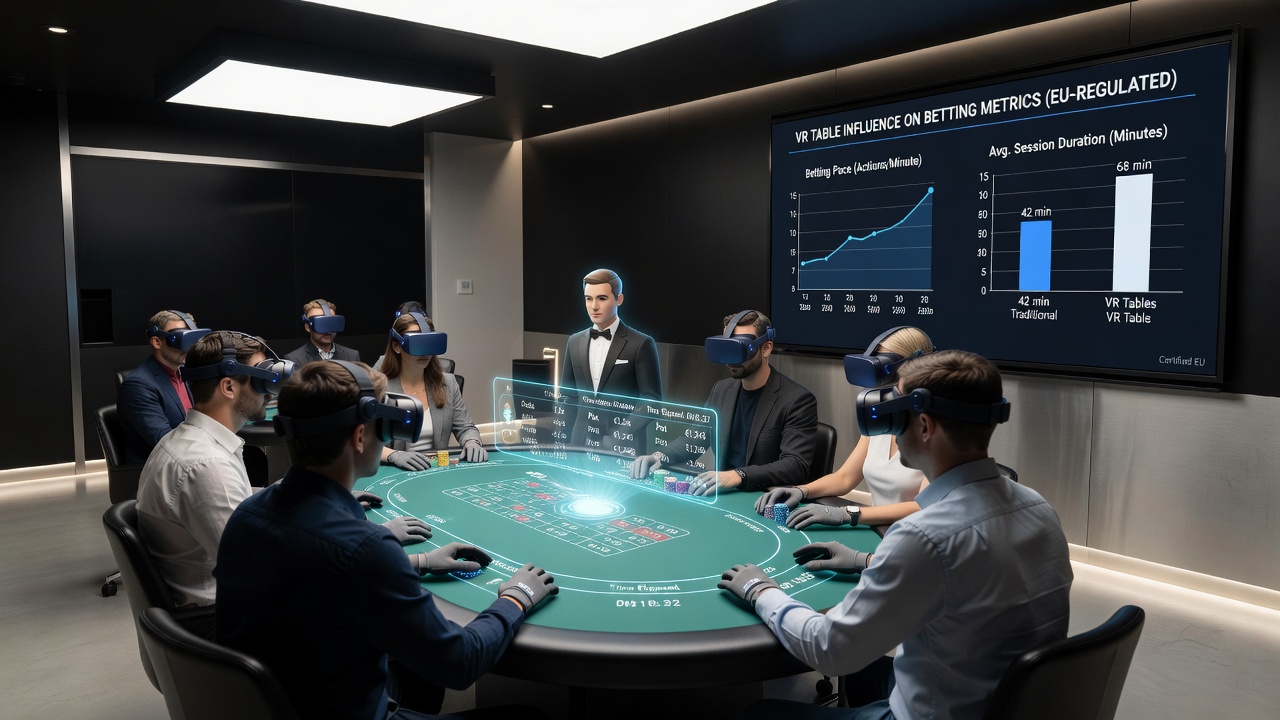
Extended play periods emerge when VR table designs include persistent environmental details like ambient sounds and gradual chip accumulation animations, and longitudinal data indicates these features encourage users to remain engaged through multiple rounds without abrupt exits. Sessions in environments with balanced visual density last longer on average than those in minimalist setups, according to figures compiled by research groups monitoring European markets. Operators observe that tables allowing seamless transitions between private and public tables extend time spent because players encounter fewer interruptions during navigation.
October 2026 brought new compliance guidelines from several EU member states requiring clearer session timers within VR interfaces, and early compliance data shows these additions have begun to moderate duration spikes in some apps while leaving pace metrics largely intact. Academic reviews of user behavior logs confirm that designs offering subtle progress indicators tied to table aesthetics correlate with sustained participation across evening windows, whereas overly complex overlays prompt earlier exits in controlled trials.
Regional Variations and Regulatory Context
Apps licensed in jurisdictions such as those governed by the Gibraltar Regulatory Authority demonstrate distinct VR table adaptations compared to those under other European frameworks, and cross-border comparisons reveal how local rules on interface clarity affect both betting speed and stay times. Teams analyzing aggregated datasets from multiple operators note that tables emphasizing transparent outcome displays maintain steadier paces, while those prioritizing immersive storytelling elements stretch session lengths without violating responsible gaming standards. Industry organizations including the European Gaming and Betting Association have published summaries linking these design choices to measurable engagement metrics across regulated markets.
Further examination of avatar positioning and table scale shows additional correlations, with larger virtual surfaces sometimes distributing bets more slowly yet supporting longer overall visits as players explore options. European Commission-funded inquiries into digital entertainment platforms continue to compile evidence on these interactions, providing operators with benchmarks for refining VR environments while adhering to existing directives.
Conclusion
Virtual reality table designs continue to evolve within European-regulated apps, and ongoing data collection demonstrates clear connections between spatial and interactive elements and the resulting betting rhythms plus session lengths. Stakeholders monitoring these developments rely on telemetry and compliance reports to refine interfaces, ensuring alignment with regulatory expectations across the region.