Linkages Between Streaming Integrations and Real-Time Wager Adjustments During Live Event Coverage on Portable Platforms
Written by Leon Fischer · Sep 13, 2026
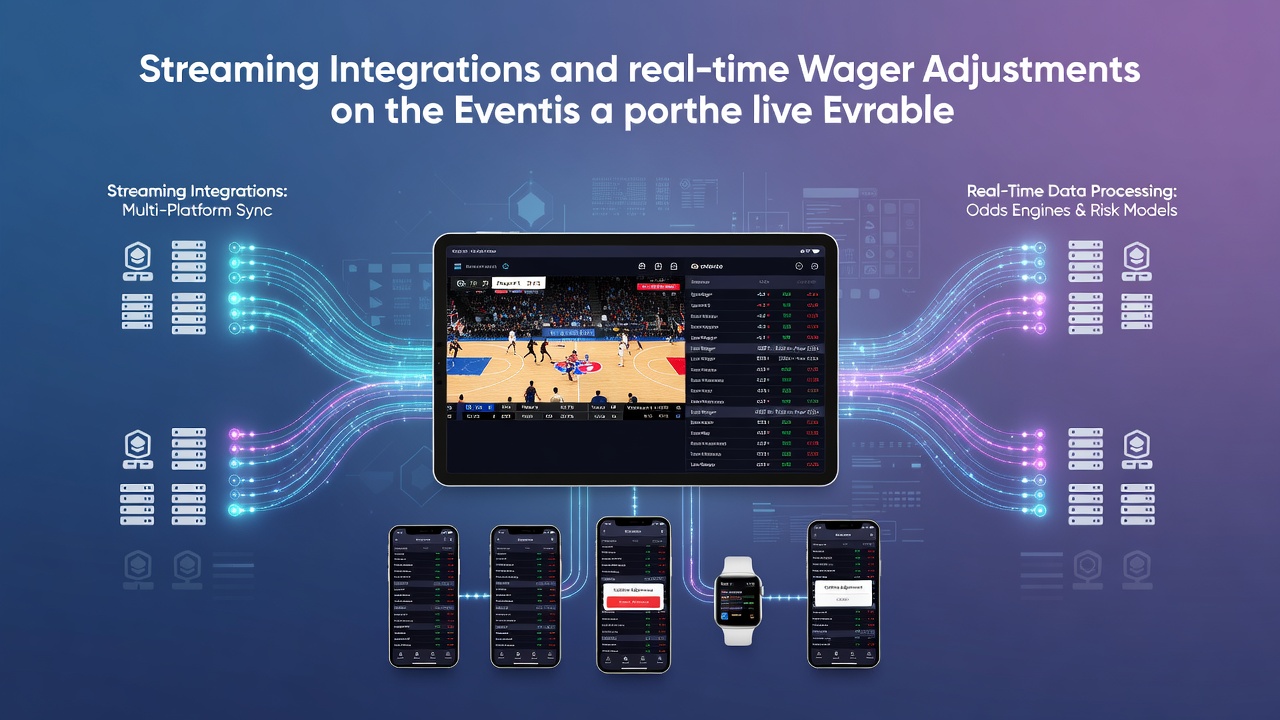
Linkages Between Streaming Integrations and Real-Time Wager Adjustments During Live Event Coverage on Portable Platforms
Streaming integrations in portable betting platforms connect live video feeds directly to wager interfaces, allowing adjustments based on unfolding events without switching applications. Developers use synchronized APIs that pull real-time data from event broadcasters and push updates to mobile clients, which reduces latency to under two seconds in many systems. This setup emerged prominently after 2022 when several operators adopted cloud-based delivery networks to handle higher volumes of concurrent users across iOS and Android devices.
Technical Architecture Behind the Integration
Portable platforms rely on WebSocket connections that maintain continuous streams between the content server and the betting engine, while event triggers from the video feed activate odds recalculation modules. Engineers at major providers configure these modules to process inputs such as player substitutions or score changes, then immediately reflect new odds on the user screen. Research from the University of Nevada's gaming technology lab indicates that such bidirectional data flows account for over 60 percent of mobile session activity during peak live events in regulated North American markets.
Bandwidth optimization plays a central role, as video compression standards like H.265 allow high-definition streams to coexist with frequent API calls for bet placement. When network conditions fluctuate, the system prioritizes wager confirmation packets over additional video frames, maintaining functionality even on 4G connections common in outdoor settings.
Real-Time Adjustment Mechanisms in Practice
Users receive visual cues within the stream player, such as highlighted play buttons that update dynamically when new information arrives from the field or court. Data from iGaming Ontario shows that sessions incorporating simultaneous viewing and betting last 35 percent longer than those limited to static odds displays. Operators achieve this by embedding micro-bet options that activate only during specific game segments, with automatic suspension protocols triggered by official stoppages announced through the integrated feed.
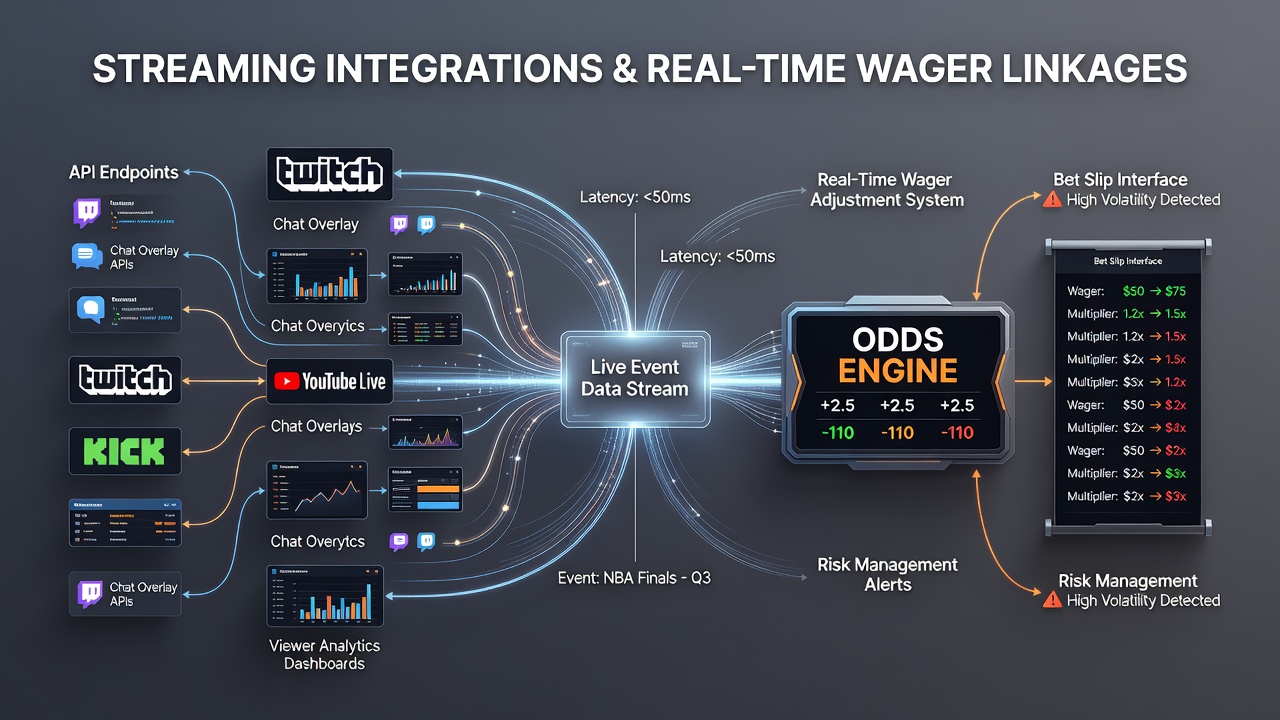
Geolocation services further refine these adjustments by confirming user location before processing any change, which aligns with requirements set by state gaming control boards in the United States. The same protocols prevent cross-border activity and ensure that odds displayed match the regulatory framework of the detected jurisdiction.
Market Data and Adoption Patterns Through 2026
Industry figures compiled by the European Gaming and Betting Association reveal steady growth in mobile live betting volumes, with projections extending through September 2026 indicating continued expansion in markets where streaming partnerships have matured. Portable platforms that introduced integrated features earlier captured larger shares of event-day traffic compared with those relying on separate video and betting tabs. Observers note that peak engagement windows often coincide with high-stakes moments, such as overtime periods or final laps, when adjustment frequency increases by factors of three to five.
Case studies from Australian operators demonstrate how partnerships with regional sports broadcasters reduced average time between an in-game occurrence and the corresponding odds update to 1.8 seconds. These improvements correlate with higher retention rates during multi-hour events, according to anonymized platform analytics shared at industry conferences.
Regulatory and Security Considerations
Regulators in multiple jurisdictions require audit trails that log every wager adjustment alongside the exact timestamp from the streaming source. This documentation supports responsible gambling tools, including session timers that pause both video and betting functions simultaneously. Security protocols employ end-to-end encryption for all data exchanges, preventing interception that could expose bet details or personal account information during transmission.
Compliance frameworks in Canada and parts of Asia emphasize testing of these integrated systems before deployment, with third-party certification bodies verifying that latency thresholds and fairness algorithms meet established standards. Such measures address concerns about synchronization errors that might otherwise lead to mismatched odds displays.
Conclusion
Linkages between streaming integrations and real-time wager adjustments continue to shape portable platform design, driven by technical capabilities and regulatory oversight. Data collected through 2026 will likely clarify long-term usage patterns across different device types and network conditions, providing operators with metrics to refine synchronization further while meeting jurisdictional requirements.